
Gould
Lauren Alivia
BIOSTATISTICIAN, STATISTICAL PROGRAMMER, DATA ANALYST, EPIDEMIOLOGIST
I work at the intersection of statistics, programming, healthcare, and research.
ABOUT MEI’m a biostatistician and statistical programmer with a background spanning clinical data analytics, genomic research, and anatomic pathology. I hold both a Master of Science in Biostatistics and a Bachelor of Science in Biology, and my work has centered on using statistics, programming, and data to better understand questions in healthcare and research.
My path into biostatistics has been shaped by experiences across several sides of science and medicine—from working hands-on with human tissue in an anatomic pathology laboratory, to conducting wet-lab genomic and multiomic research, to analyzing clinical data for a health system. Those experiences have given me a particular appreciation for the connection between the data we analyze and the real people, biological systems, and decisions behind it. I’m especially interested in work involving clinical research, epidemiology, pathology and laboratory medicine, and the thoughtful application of quantitative methods to problems that can ultimately improve health and patient care.
Outside of my primary career, I also work in digital media and social media management for a home care agency, which has given me another outlet for communication, design, and creative problem-solving. Away from the computer, I enjoy running and strength training, knitting, and learning about the history of science and medicine. I’m particularly fascinated by the ethical questions that accompany scientific and medical progress: how discoveries are made, how evidence shapes practice, and how the decisions we make as scientists and healthcare professionals affect the people we hope to serve.
This website is a place for me to bring those interests together: to share my statistical and programming projects, explore ideas that interest me, and document some of the things I’m learning along the way.
Recent Projects.
Recent Projects.
Recent Projects. Recent Projects.

A growing collection of things I’ve built, studied, and explored.
The Road So Far.
The Road So Far.
The Road So Far. The Road So Far.
A few of the experiences that have shaped my path through science, healthcare, and data.
Methods, Models, and Programming
Master of Science in Biostatistics, Health Data Science Concentration — University of Florida
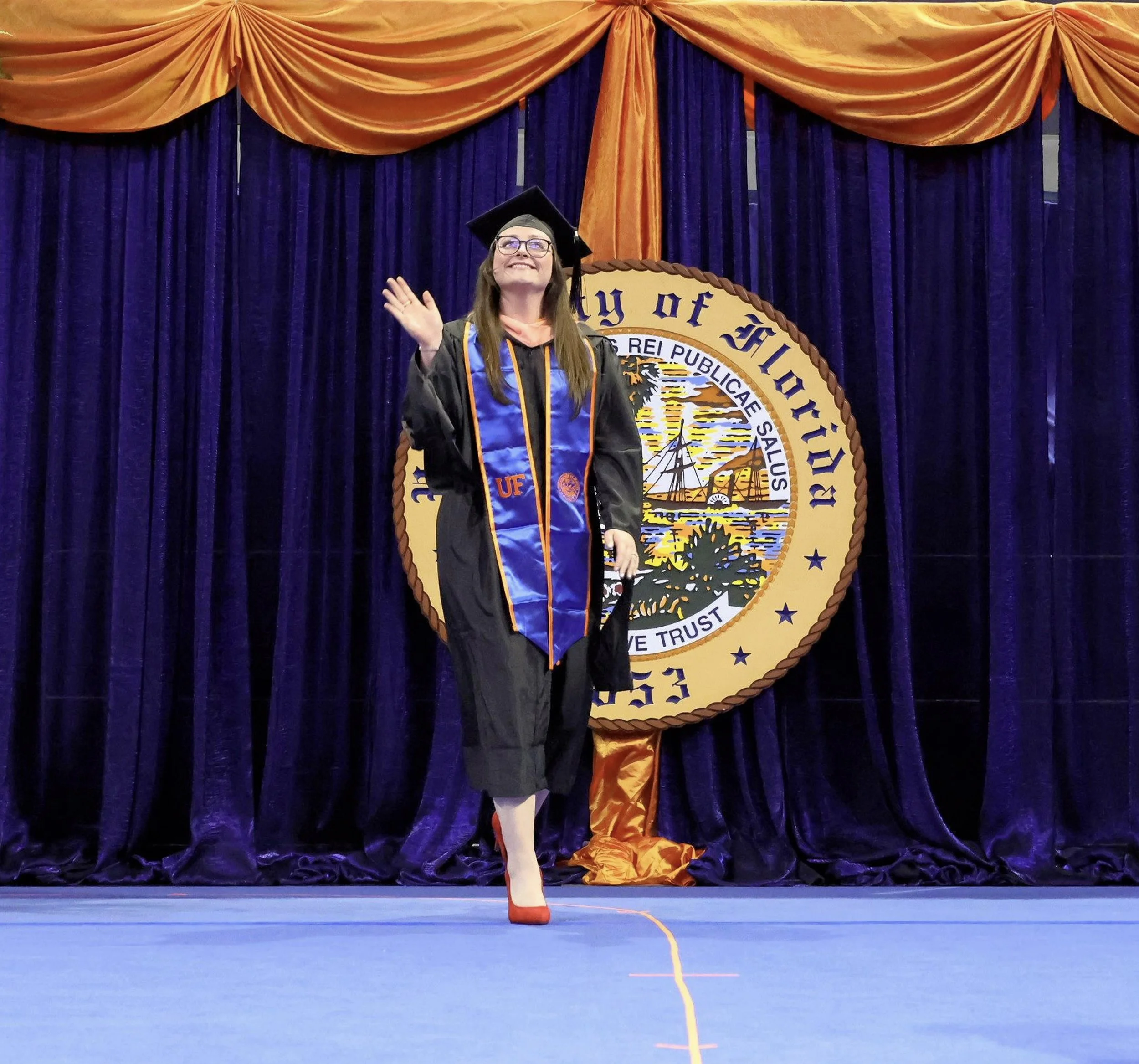
Through my M.S. in Biostatistics at the University of Florida, I developed rigorous training in statistical theory, study design, and statistical programming in R, SAS, and Python. My graduate work included regression and generalized linear models, survival analysis, longitudinal and mixed-effects models, categorical and nonparametric methods, Bayesian statistics, causal inference, missing-data methods, power and sample-size analysis, and statistical learning, with an emphasis on applying these methods to real-world health and biomedical data.
Tools: R • SAS • Python • Bash/Linux Shell • Excel
Data, Quality, and Healthcare
Clinical Data Analyst — The Queen’s Health Systems
At The Queen’s Health Systems, I served as lead analyst for value-based care quality metrics, using SAS and SQL to work with large healthcare claims and Epic EHR datasets across multiple payers. I evaluated performance on HEDIS and Medicare Stars measures, built reusable analytical workflows, and translated complex findings into reports and visualizations for clinicians and organizational stakeholders. This role strengthened my experience working with real-world healthcare data and showed me how thoughtful analysis can directly support quality improvement and better decision-making.
Tools: SAS • SQL • Excel • Epic EHR
Single-Cell Transcriptomics, Multi-Omics, and Spatial Biology
Research Associate — The Translational Genomics Research Institute (TGen), Center for Spatial Multi-Omics (COSMO)
At TGen, I worked as a bench scientist supporting single-cell and spatial multi-omics research. I validated spatial transcriptomics protocols for FFPE tissue, implemented 10x Genomics single-cell workflows, and performed flow cytometry. I developed SOPs for COSMO, trained collaborators on laboratory workflows, and helped standardize experimental processes to support the generation of high-quality, reproducible datasets. Exposure to the quantitative side of the research played an important role in shaping what came next, helping me realize that I wanted to work more directly with data, analysis, and statistical research.
Tools: R Studio • Google Sheets
Pathology, Diagnostics, and Patient Care
Histotechnician — Diagnostic Pathology Services, Inc. (DPSI)
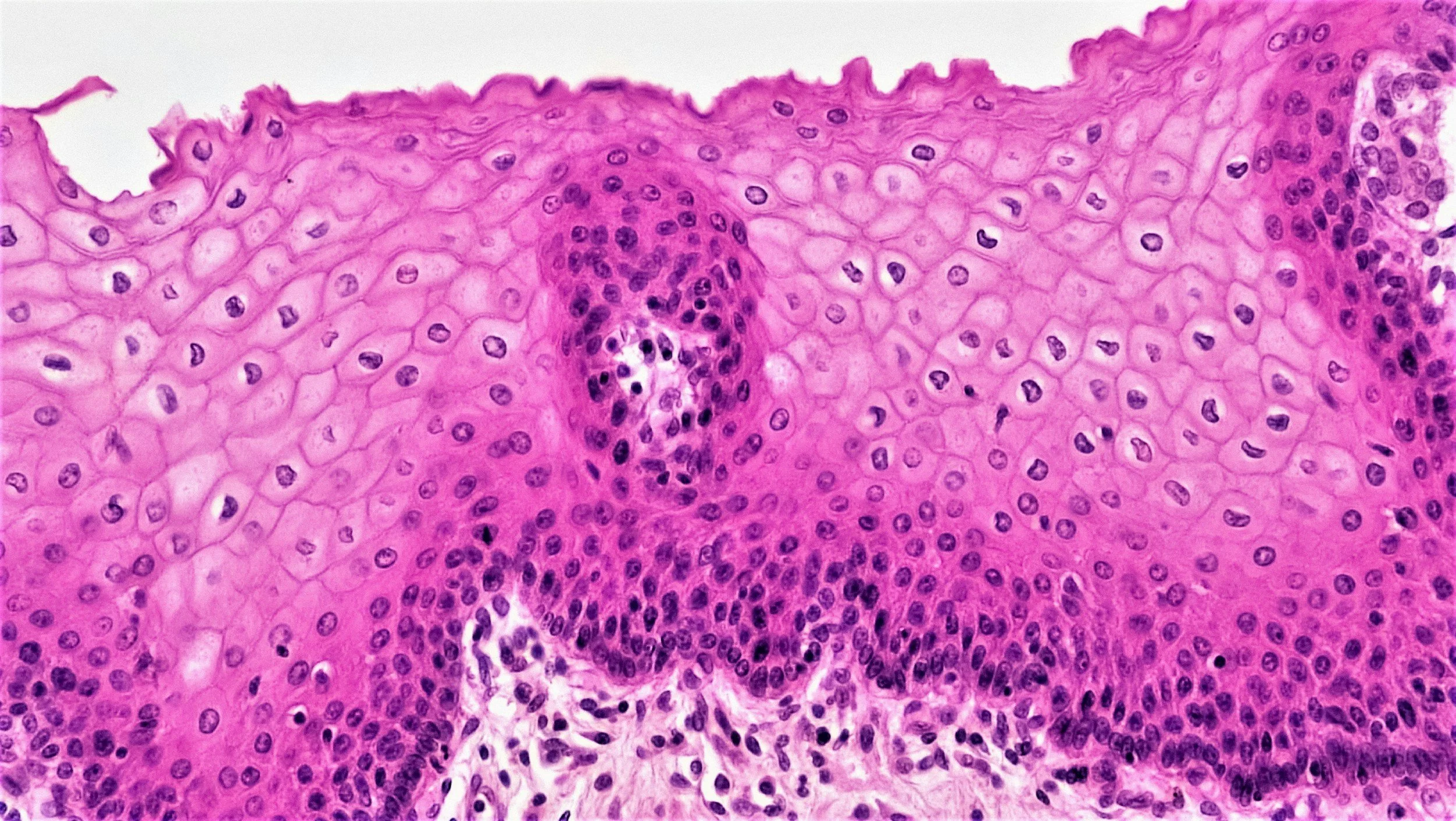
As a Histotechnician, I worked hands-on with human surgical tissue, performing gross examination, dissection, and histologic processing in support of diagnostic pathology. The role gave me firsthand insight into how laboratory workflows contribute to diagnosis and patient care, while also strengthening my experience with SOP development, quality standards, and interdisciplinary collaboration with pathologists and other clinical staff.
Tutoring, Communication, and Connection
Tutor & Supplemental Instruction Leader — Anatomy & Physiology Courses, Northwest Nazarene University (NNU)
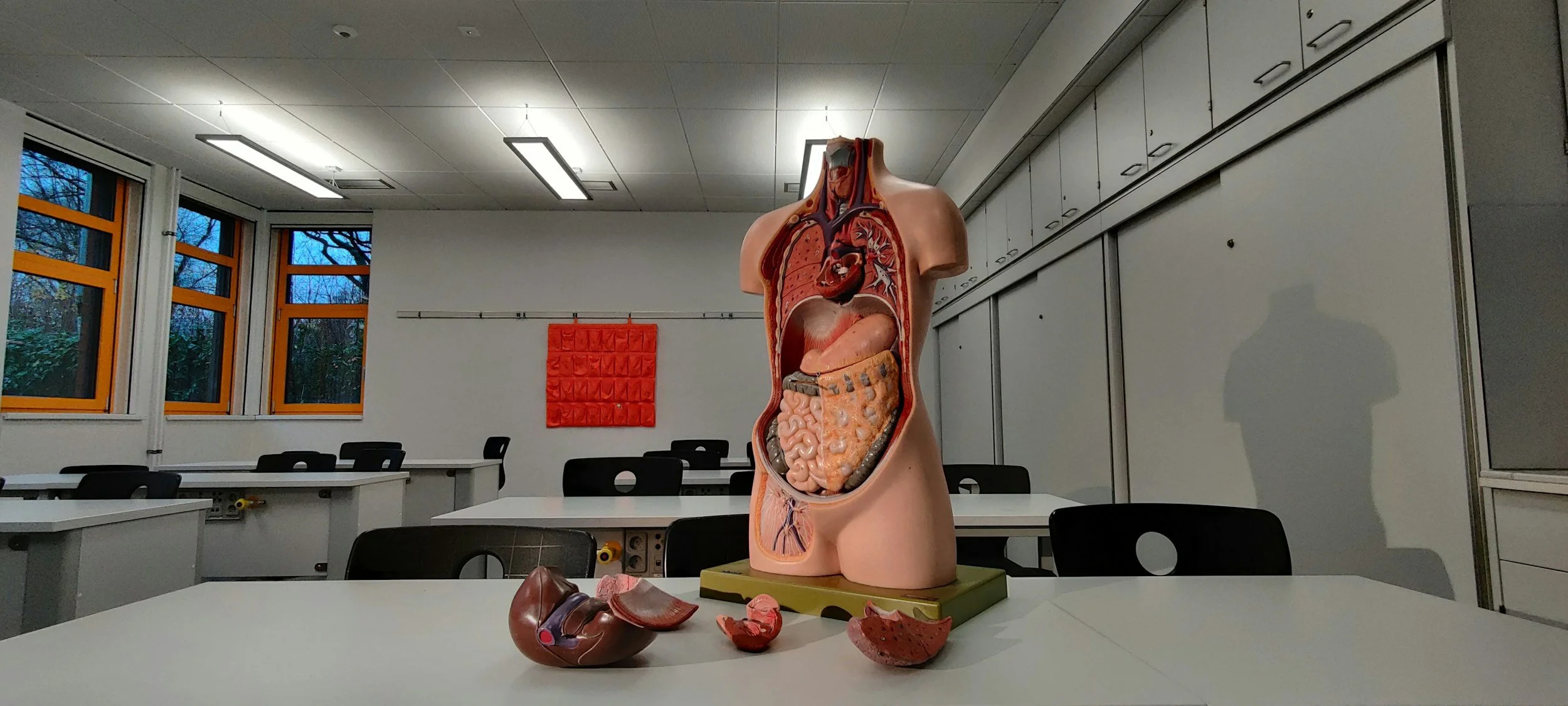
As a Supplemental Instruction Leader and Anatomy & Physiology tutor, I led collaborative learning sessions and worked individually with students to make complex scientific concepts more accessible. The role strengthened my ability to communicate technical information clearly, adapt to different audiences, and guide others through challenging material—skills I continue to draw on in my career today.
Bench Science, Computational Biology, and Science Communication
Undergraduate Biochemical Research Assistant— Dr. Chase Lab, Northwest Nazarene University
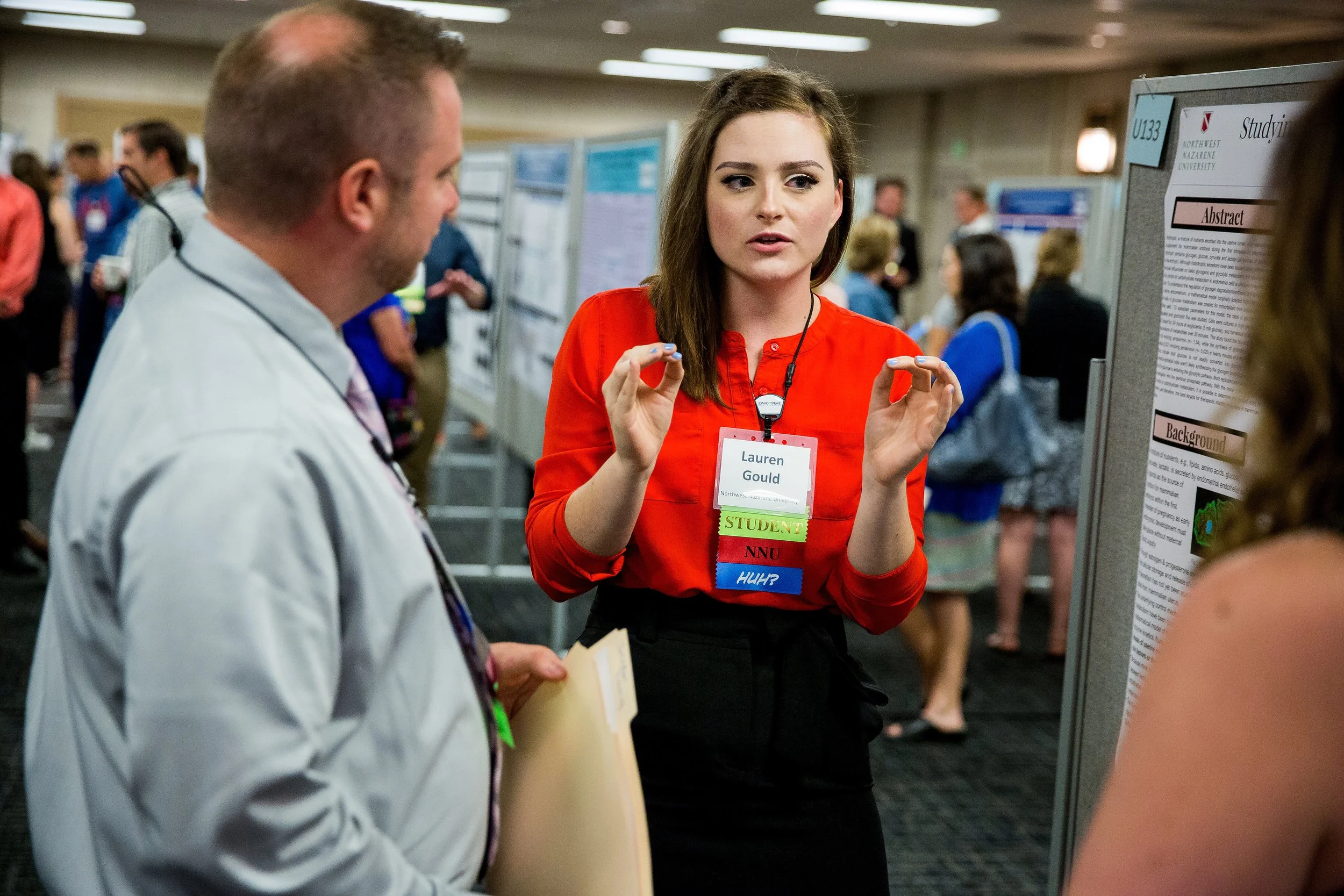
This was my first introduction to research at the intersection of biology and quantitative modeling. I studied glucose metabolism in cultured endometrial epithelial cells, contributing experimental data to a broader effort to model cellular metabolism within the endometrium. That connection between bench science and computational modeling was especially formative, foreshadowing my eventual transition toward data analysis and biostatistics. Presenting the work at two conferences also gave me an early foundation in scientific communication.